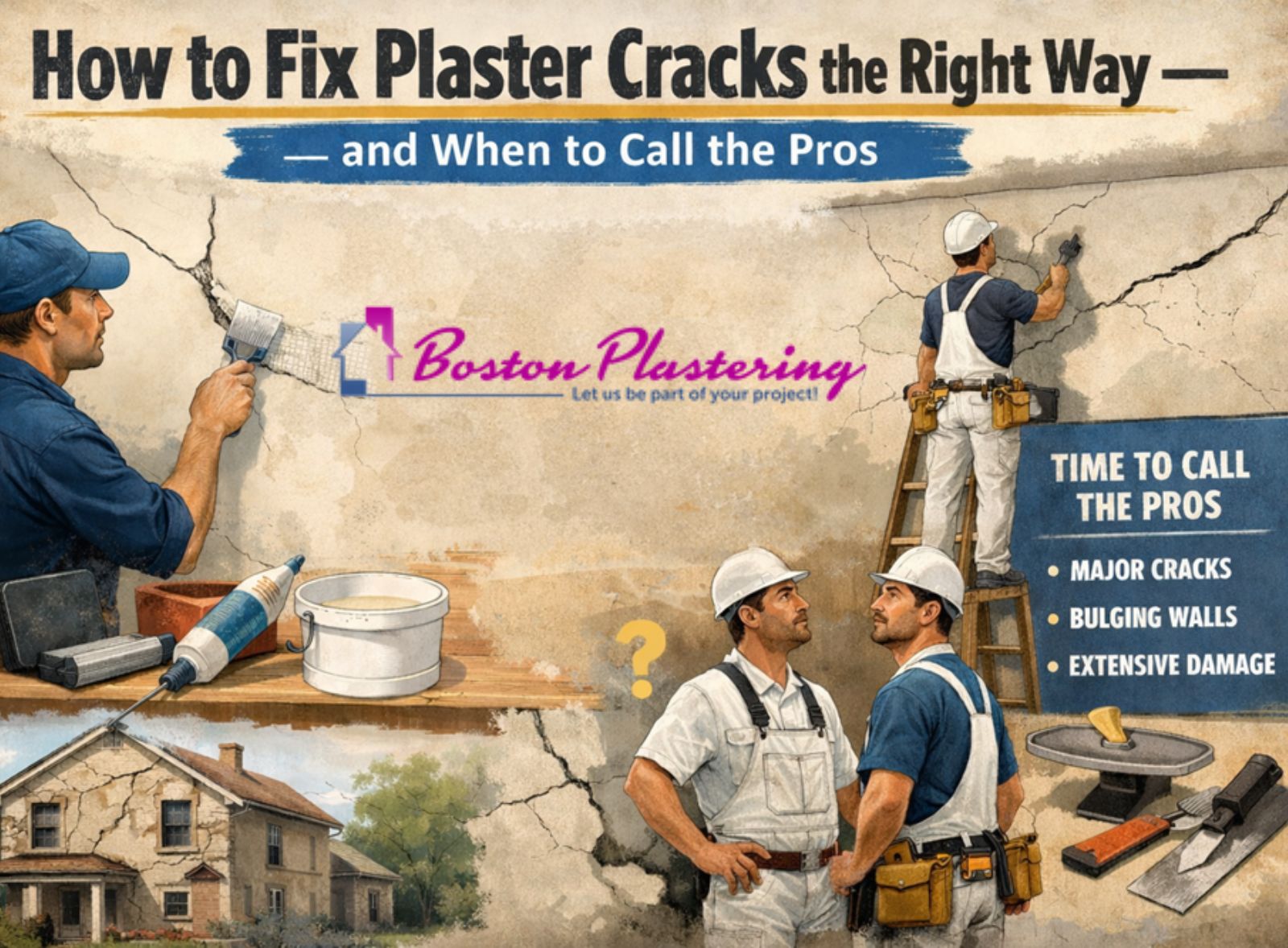
Plaster walls have a timeless charm that drywall simply can't replicate. Whether you live in a century-old Victorian or a mid-century colonial, that smooth, hard finish gives your home character and durability. But like everything else in a house, plaster isn't immune to the wear and tear of time. Eventually, most homeowners notice what starts as a hairline crack in the corner of a room or along the ceiling — and then another, and another. Before long, what seemed like a minor cosmetic issue starts raising bigger questions: Is this structural? Should I be worried? And most importantly, how do I fix it?
The good news is that not every crack in plaster signals disaster. Many are the result of normal settling, seasonal humidity changes, or just the natural aging of your home's materials. That said, plaster cracks do fall into different categories — some are purely cosmetic, while others can hint at moisture intrusion or structural movement that warrants a closer look. Understanding the difference is the first step toward fixing the problem properly and preventing it from coming back.
Not All Cracks Are Created Equal
Hairline cracks — thin, shallow lines that don't go all the way through — are usually nothing more than surface stress. They show up frequently in older homes as plaster dries and contracts over decades. Wider cracks, especially those that are jagged or run diagonally, may suggest foundation movement or water damage and are worth having a professional assess. Similarly, if you notice sections of plaster that feel soft or spongy when you press them, that's a sign of water intrusion behind the wall. The team at Boston Plastering has seen it all — from simple surface cracks in historic brownstones to full wall failures caused by years of undetected leaks. Getting a proper diagnosis before diving into repairs saves both time and money in the long run.
For the DIY-inclined homeowner, small plaster cracks can absolutely be tackled at home with the right materials and a bit of patience. The basic process involves cleaning out the crack, applying a bonding agent, and then working in thin layers of patching compound or plaster. Rushing through this process — skipping the bonding step or applying too much material at once — is one of the most common reasons plaster repairs fail. The patch cures faster on the surface than it does underneath, which leads to shrinkage, cracking, and the frustrating experience of your patch cracking all over again within weeks.
What a Professional Plaster Crack Repair Actually Involves
When the damage is more extensive, or when a homeowner wants a seamless, long-lasting result, professional plaster crack repair involves far more than slapping on some joint compound and calling it a day. A skilled plasterer will evaluate whether the underlying lath — the thin strips of wood that hold the plaster in place — is still solid and secure. If the lath has deteriorated or pulled away from the wall, simply patching the surface won't solve anything. The repair needs to start from the foundation, quite literally. This might mean securing the plaster to the lath with plaster washers, replacing sections of lath, and then building up layers of plaster to match the surrounding texture and finish.
Matching the texture of old plaster is itself an art form. Modern drywall compound looks and feels different from traditional plaster, and a mismatched patch is obvious, especially in raking light. Experienced plasterers know how to blend materials and application techniques so the repair integrates with the original wall rather than standing out like a sore thumb. For homeowners in older homes where original plaster details — like medallions, cornices, or textured finishes — need to be preserved or restored, this skill becomes even more critical.
Prevention Tips to Keep Plaster Looking Its Best
Once your plaster is repaired, a few simple habits can help prevent future cracks from forming. Keep indoor humidity levels stable — dramatic swings between dry and humid air cause plaster to expand and contract repeatedly, which weakens it over time. Address any roof, window, or plumbing leaks promptly, since water is one of plaster's worst enemies. And if your home is in an area with frequent temperature extremes, make sure it's properly insulated to reduce thermal stress on the walls. These steps won't make your plaster indestructible, but they'll significantly extend its life and reduce the frequency of repairs.
Plaster walls are one of the defining features of a well-built older home, and with the right care, they can last another hundred years. Whether you're dealing with a single hairline crack or a more significant repair project, taking the time to do it properly — or bringing in specialists who will — makes all the difference. A quality repair doesn't just restore the appearance of your walls; it protects the structural integrity of your home and preserves the craftsmanship that makes it worth living in.