Most of us don't look up very often. Then one day a brown stain appears above the sofa, a crack stretches from corner to corner, or a section of the ceiling starts to sag like a tired hammock. Suddenly the surface you ignored for years is all you can think about. The natural question follows quickly: can this be patched, or does the whole thing need to come down?
The answer depends on what caused the damage, how far it has spread, and what your ceiling is made of. This guide explains the warning signs, the typical process, and the questions worth asking before you hire anyone, so you can make a calm, informed decision instead of a rushed one.
What Is Ceiling Replacement, and When Is It Necessary?
A ceiling can often be fixed with patching, taping, and repainting, but there are times when the damage runs too deep for a surface solution. Full or partial ceiling replacement means removing damaged material and installing new drywall, plaster, or another surface in its place. It is a bigger job than a simple repair, yet it is often the smarter investment when the existing ceiling has lost its strength, its safety, or its appearance beyond reasonable rescue.
Warning Signs Your Ceiling Needs More Than a Patch
Watch for these red flags, especially when more than one shows up at the same time:
- Sagging or bowing: A ceiling that dips or bulges has usually absorbed water or lost its fastening. Sagging is a safety concern, and it should be checked promptly.
- Widespread water damage: Large stains, peeling paint, and soft, damp material suggest the surface has been compromised well beyond one small spot.
- Mold or a persistent musty smell: Moisture trapped above the ceiling can allow mold to grow, and affected material generally cannot simply be painted over.
- Recurring cracks: If cracks keep returning after every repair, the problem may be structural movement or failing material.
- Crumbling or flaking texture: Old plaster or textured coatings that shed dust and chips are telling you that they have reached the end of their life.
Small hairline cracks and isolated stains are often manageable with a repair. But when damage is extensive, ceiling replacement usually saves money over the long run because it stops the cycle of repeated patching.
Common Causes of Ceiling Damage
Water is the most frequent offender. A leaking roof, a failing pipe in the floor above, or a poorly sealed bathroom can soak a ceiling from the top down before you notice anything below. Age is another factor, since older plaster can loosen from its lath over decades. Heavy fixtures, renovation work, and even years of vibration can also weaken a ceiling. Whatever the trigger, the source has to be corrected first. New material installed under an active leak will simply fail again.
What the Ceiling Replacement Process Looks Like
Understanding the steps helps you compare estimates and spot shortcuts. A typical project follows this order:
- Inspection: The contractor assesses the damage, finds the cause, and checks for hidden problems like mold, wiring, or insulation issues.
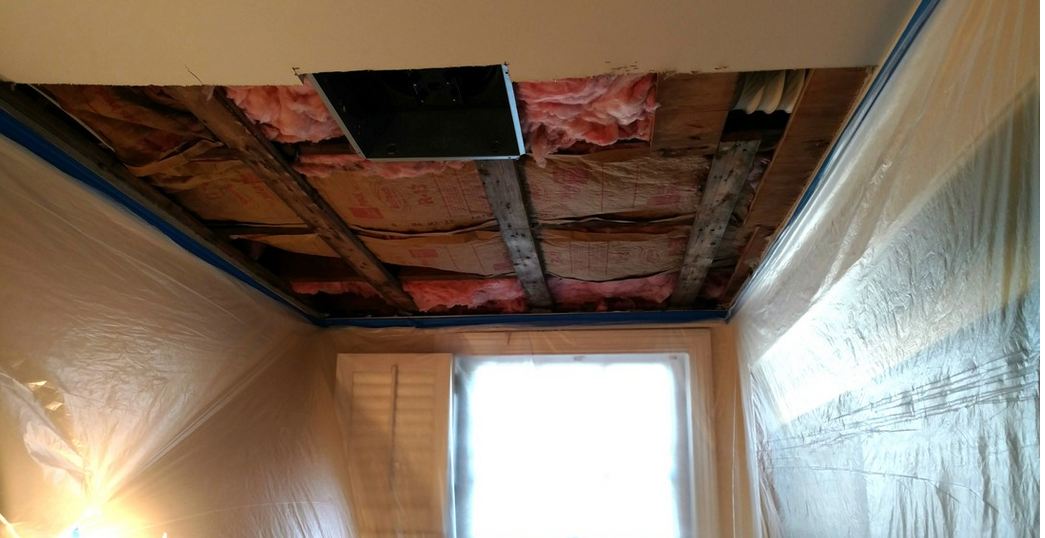
- Preparation: Furniture is moved or covered, floors are protected, and the work area is sealed to control dust.
- Removal: Damaged drywall or plaster is carefully taken down, and the framing above is inspected.
- Installation: New panels are fastened securely to the joists, and seams are taped.
- Finishing: Joint compound is applied in thin layers, sanded smooth, primed, and painted or textured to match the room.
One important note for older homes: ceilings with textured coatings installed before the 1980s may contain asbestos, so testing before demolition is a wise precaution. A reputable professional will raise this topic themselves. Proper ceiling replacement should always put safety ahead of speed.
Should You Do It Yourself?
Ceiling work is physically demanding and technically tricky. Drywall sheets are heavy and awkward to lift overhead, and hiding seams on a large flat surface takes real skill. Add dust, ladders, and the possibility of hidden hazards, and the risks climb quickly. A small patch above a doorway is a fair DIY project. A full ceiling replacement, on the other hand, is almost always best left to trained professionals who have the equipment, the crew, and the experience to finish cleanly.
What Affects the Cost?
Every project is different, but a few factors drive most estimates: the size of the ceiling, the height and accessibility of the room, the type of material, the extent of hidden damage, and the finish you choose. Access matters too, because a vaulted ceiling takes more time and equipment than a standard one. Ask for an itemized quote so you can see exactly where your ceiling replacement budget goes.
Choosing the Right Contractor
Look for a contractor with proven experience in ceiling work, verified insurance, and photos of comparable projects. Ask for a written estimate that covers demolition, materials, finishing, cleanup, and timeline. Be wary of a quote that is dramatically lower than the rest, since it may leave out important steps. When you compare options for ceiling replacement, notice how well each contractor explains the cause of your problem. Clear, honest communication is usually a good preview of the quality of the work.
Protecting Your New Ceiling
Once the work is finished, keep it looking new. Repair roof and plumbing leaks quickly, ventilate bathrooms and kitchens, and manage indoor humidity. Check the ceiling a couple of times a year, especially after heavy storms or long winters. Catching a faint stain early can make the difference between a quick touch-up and another major ceiling replacement down the road.
Final Thoughts
A damaged ceiling is more than an eyesore. It can signal hidden moisture, weakened material, or safety concerns that deserve attention. Understand the warning signs, fix the source of the problem, and choose a professional who communicates clearly. If you need experienced help with ceiling replacement, Boston Plastering provides careful, detail-focused work that leaves your ceilings smooth, sturdy, and ready to enjoy.
Read our latest blog by visiting this link - Drywall Repair in Waltham